Phonics
Phonics Intent, Implementation and Impact statement

Intent
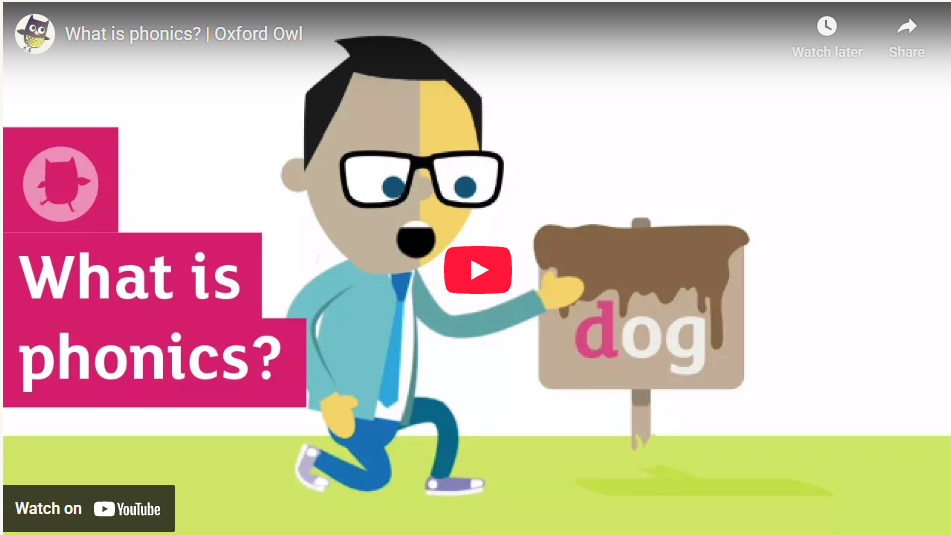
Why do we teach this?
The National Curriculum for Phonics aims to ensure that all pupils:
-
In Early Years Foundation Stage (EYFS) and key stage one (KS1) are given the best opportunity to achieve expected progress, or more, in reading.
-
To create an inclusive, inspired and challenging curriculum, which develops children’s knowledge of phonics, enabling them to become successful, confident readers, who develop a life-long love of reading.
-
Children will be able to apply their phonic knowledge to confidently spell many words either correctly or phonetically using the sounds they have learnt. They will know spelling alternatives for different sounds and be able to apply these consistently.
At Joseph Hood Primary School we want children to learn to read fluently, accurately and confidently. We know that reading is the key that unlocks the whole curriculum and enables them to access their learning. Therefore, the ability to decode efficiently is essential. We also want children to see reading not only as a task set by teachers in school as part of the curriculum but as an activity which provides pleasure and escape from the modern world.
We passionately believe that, with the right support, all children can and will learn to read. Therefore, for all children to be successful, we have adopted the Read Write Inc (RWI) synthetic phonics programme. This is a scheme, developed by Ruth Miskin, which provides a structured and systematic approach to teaching Literacy. It is used by more than a quarter of the UK's primary schools and is designed to create fluent readers, confident speakers and willing writers. It aims to teach our children the core skills of segmenting and blending and start them on their ‘reading journey’.
Reading does not stop at the end of the RWI session, a love of literature will be at the heart of all learning. Books open up a whole host of learning opportunities and are the basis of wider curriculum opportunities.
Implementation
What do we teach? What does this look like?
At Joseph Hood Primary School, phonics is taught across EYFS and KS1 as well as in intervention sessions across KS2. Using the RWI programme of study, we are able to teach in a way that follows the best research, which indicates that, when phonics is taught in a structured way – starting with the easiest sounds and progressing through to the most complex – it is the most effective way of teaching young children to read. According to the Department for Education (DfE), almost all children who receive good teaching of phonics will learn the skills they need to tackle new words. They can then go on to read any kind of text fluently, confidently and read for enjoyment too.
Within the daily RWI sessions children will be encouraged and supported to not only develop their decoding skills but also their comprehension and fluency skills.
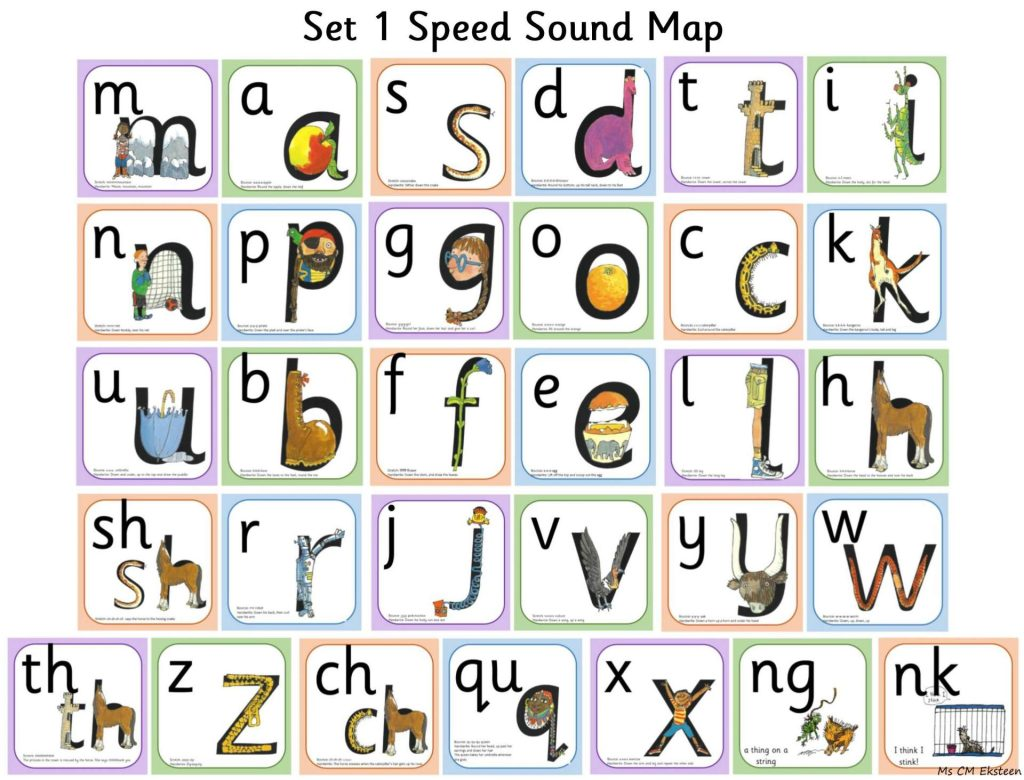
In EYFS, they are taught how to recognise the sounds that each individual letter makes, identify the sounds that different combinations of letters make – such as ‘sh’ or ‘oo’ and then blend these sounds together from left to right to make a word. Children can then use this knowledge to ‘decode’ new words they hear or see.
In KS1 we continue to develop children’s phonics knowledge through the RWI scheme. The children learn set 2 and 3 sounds, which enable them to read and write a range of words. Children learn different representations of a sound (‘graphemes’), for example ay, a-e, ai. This enables children to become more confident with not only their reading, but also spelling and develop skills which are transferrable to their Literacy. In Year 1 there is a greater emphasis on the reading of the sounds, whereas in year 2 this progresses by using the graphemes more in spelling.
The RWI sessions across EYFS and KS1 occur daily with no exceptions, as the continuity and pace of the programme is key to accelerating the progress of children’s reading development. All staff (including those who are not classroom based) are trained. In this way, daily provision is consistent and uninterrupted. Each session is broken up into different parts including: revision of previous sounds taught, teaching of a new sound, reading words with the new sound and writing them. Children are grouped for daily reading sessions across EYFS and KS1 and during this time use RWI phonic based reading books. This ensures that there is consistency between our phonics and reading sessions and that children apply their new phonics knowledge to reading books, giving them a purpose and sense of achievement.
Phonics is also embedded across the curriculum and the children are encouraged to use phonics to support them in a range of work. Phonics is displayed in each classroom across the school. Children are encouraged to use these to support their writing in all lessons across the curriculum.
All children are assessed using the RWI assessment at the end of each half-term and then placed in a group that is matched to their ability. We constantly informally assess the children to make sure that they are at a place where they are accessing books at an appropriate level. If needed, children receive additional support to help them on their journey to becoming a confident reader. The assessment identifies the children's progress so far as well as their targets. The Year 1 Phonics Screening check takes place every June. The check is designed to confirm whether individual children have learned sufficient phonic decoding and blending skills to an appropriate standard. The test consists of 40 words – it is a combination of 20 real words and 20 pseudo words (nonsense words) for the child to read 1:1 with their teacher. This is carried out by a member of staff who has undertaken the phonics testing training and who the children are familiar with.
Children who do not pass this in Year 1 will be re-assessed in Year 2, in the same manner. The results of this are reported to parents in the summer.
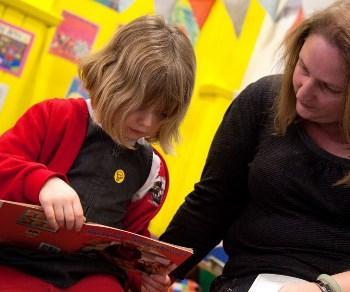
Throughout the year we invite parents to phonics workshops and training sessions, which support the parents in listening to their child read and encouraging their child’s development of phonics. Home reading books are also phonics based; ensuring continuity and these match individual reading levels. Reading books are changed on a weekly basis.
Impact
What will this look like? What will they be able to do as a result of our teaching?
Through the teaching of systematic phonics, our aim is for all pupils to make sufficient progress to meet or exceed age-related expectations. Children will become fluent readers by the end of Key Stage One. This way, children can focus on developing their confidence and comprehension as they move through the school. We aim, as a school, to expose our children to a wide range of stories, poems, rhymes and non-fiction texts and give them the skills to help them to engage in a love of literature and an enjoyment of reading for their own pleasure and the learning opportunities reading brings.